


 Home
Home
Fasted state biorelevant dissolution of a neutral drug in FaSSGF and FaSSIF
-
Compare dissolution of a poorly soluble neutral drug product separately in FaSSGF and FaSSIF, which simulate human fasted state gastric and upper intestinal fluids
-
Gain crucial insight into how fasted state gastrointestinal fluids influence drug release and solubilization
-
Generate benchmark dissolution profiles for formulation comparison and developability assessment
Why test a neutral poorly soluble drug in FaSSGF and FaSSIF?
For an orally administered drug to be absorbed, it must first be released from its formulation and dissolve in the fluids present in the gastrointestinal tract.
Although the solubility of a neutral drug is not pH sensitive across the physiological gastrointestinal pH range, its stability, wetting, solubilisation and dissolution may still be influenced by the composition of fasted-state gastric and intestinal fluids. In particular, the physiological colloids present in FaSSIF can affect the solubility and dissolution of poorly water-soluble neutral drugs.
Separate in vitro dissolution tests in FaSSGF and FaSSIF help establish how a formulation behaves in the fasted-state stomach and upper small intestine. The results can show how much drug becomes available in solution, how rapidly this occurs and whether formulation performance differs between gastric and intestinal conditions.
These tests do not require specialist equipment. They can be performed using conventional USP dissolution apparatus and HPLC analysis, with FaSSGF and FaSSIF used to simulate fasted-state gastric and upper intestinal fluids.
MATERIALS
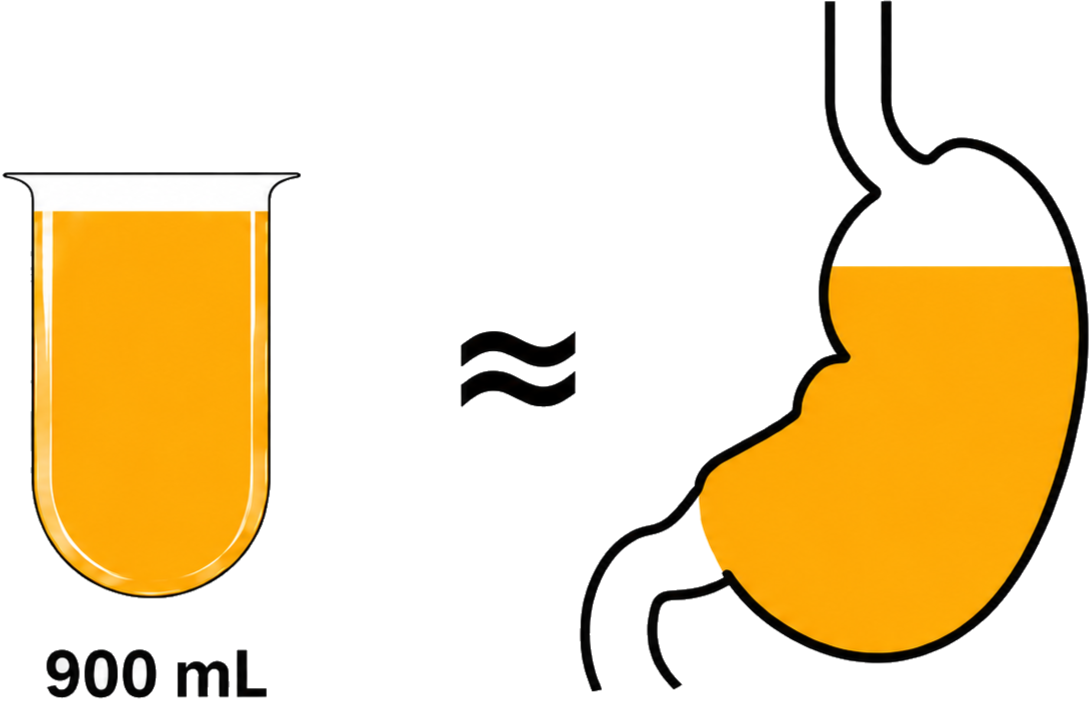
Recommended to use 900mL in each dissolution vessel
Media Prep Calculator
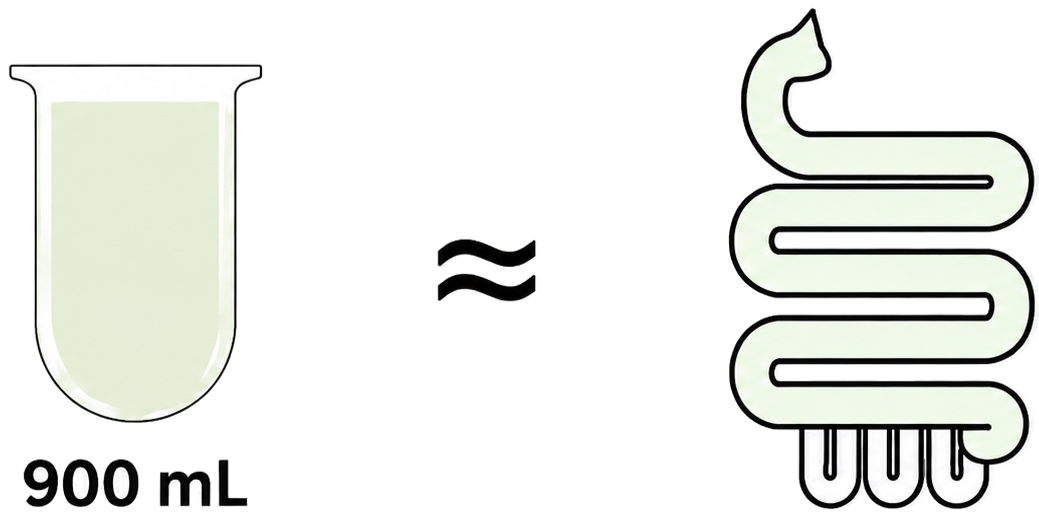
Recommended to use 900mL in each dissolution vessel
Media Prep Calculator
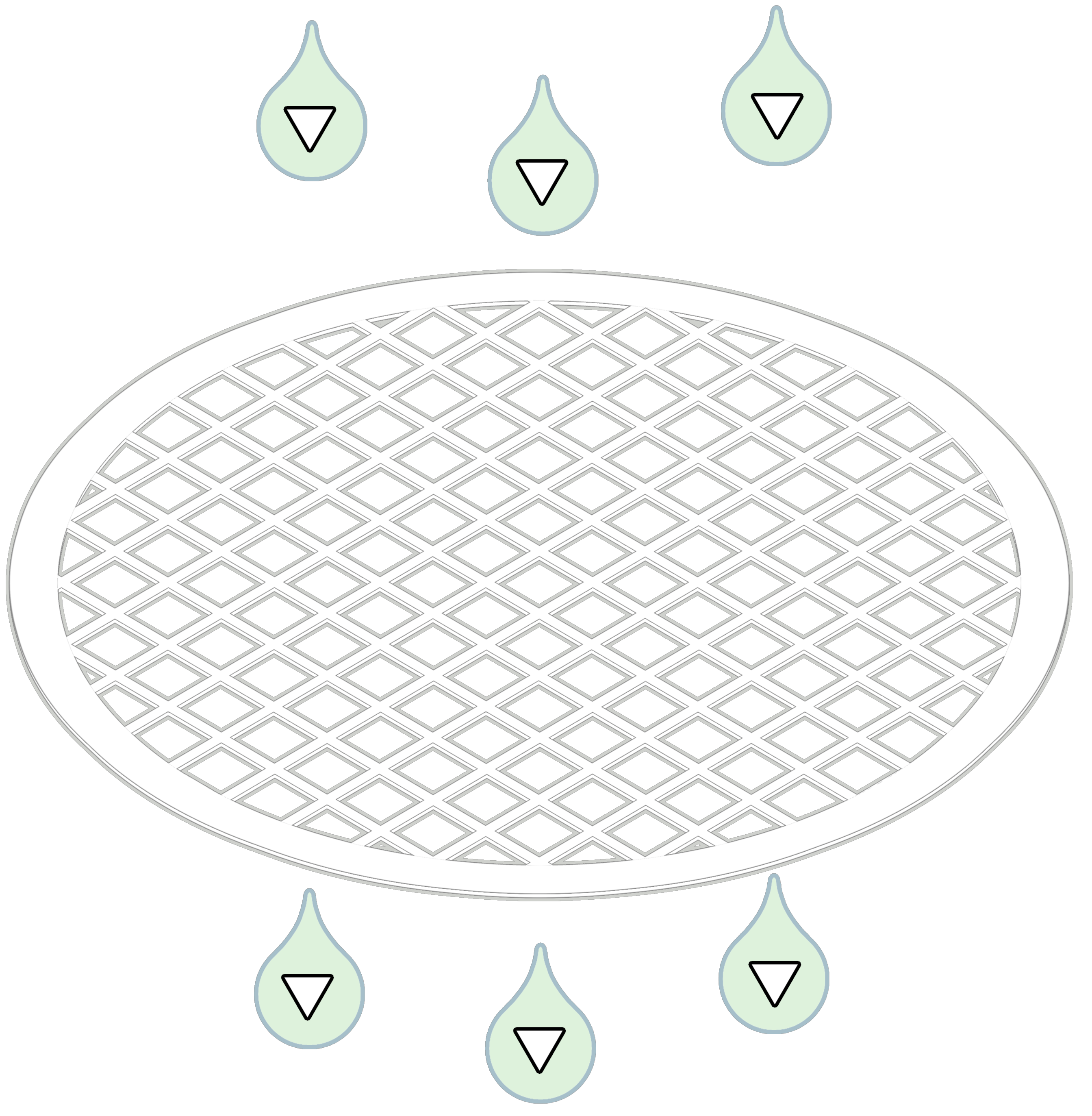
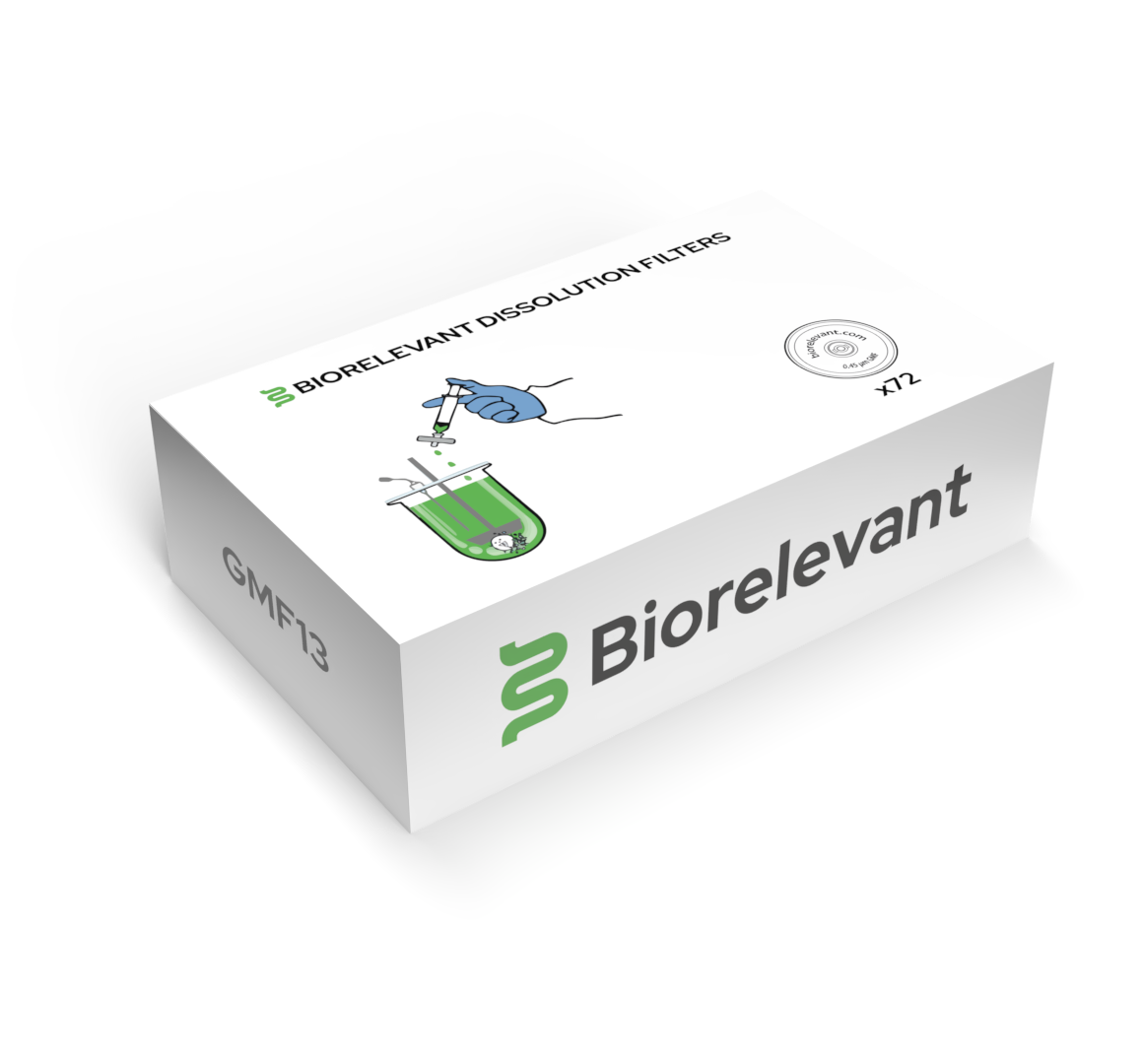
Biorelevant dissolution filters tailored to the exact specifications required for biorelevant dissolution testing. Available in boxes of 72 pieces
Required Filters
RECOMMENDED BUYS
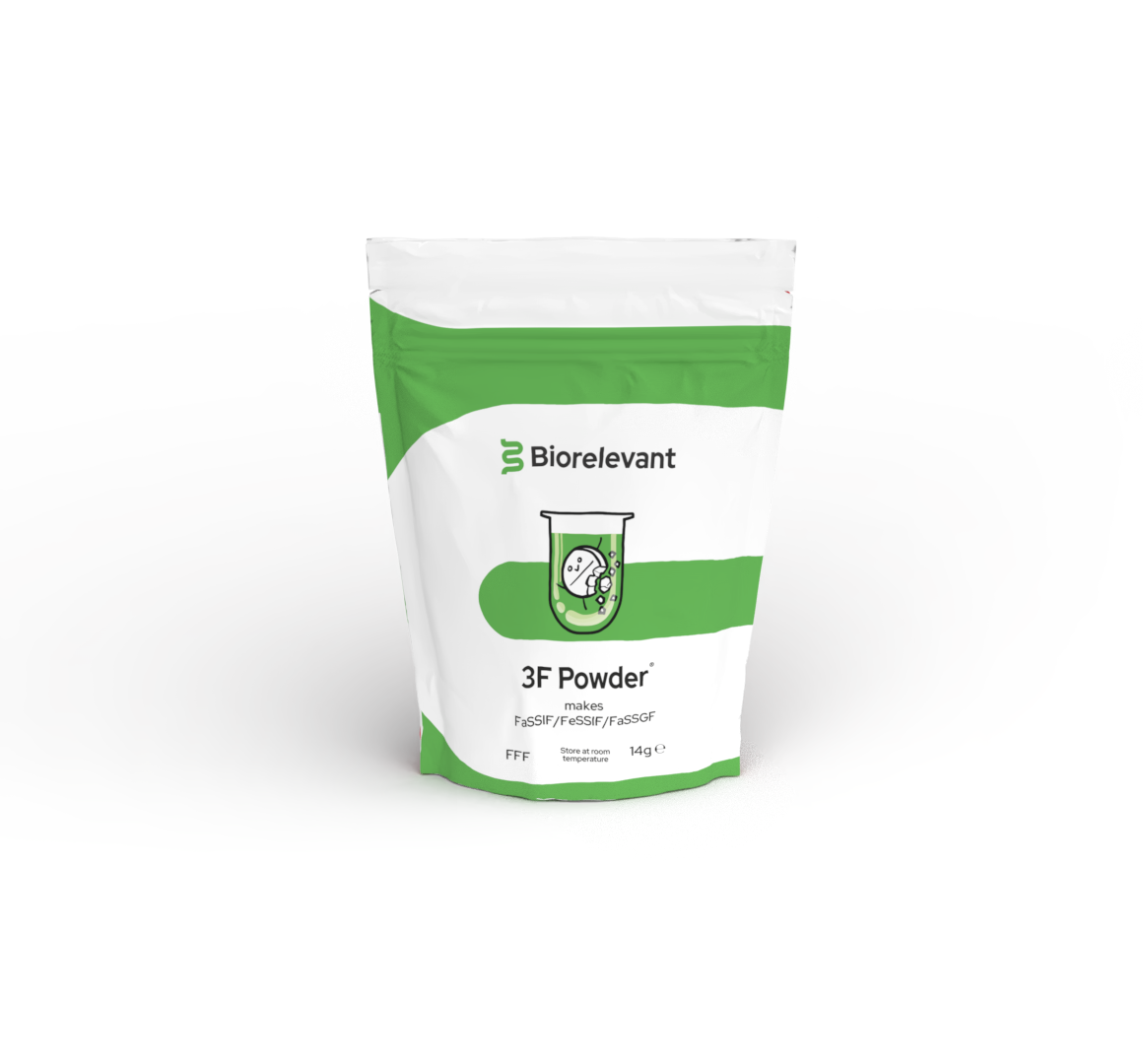
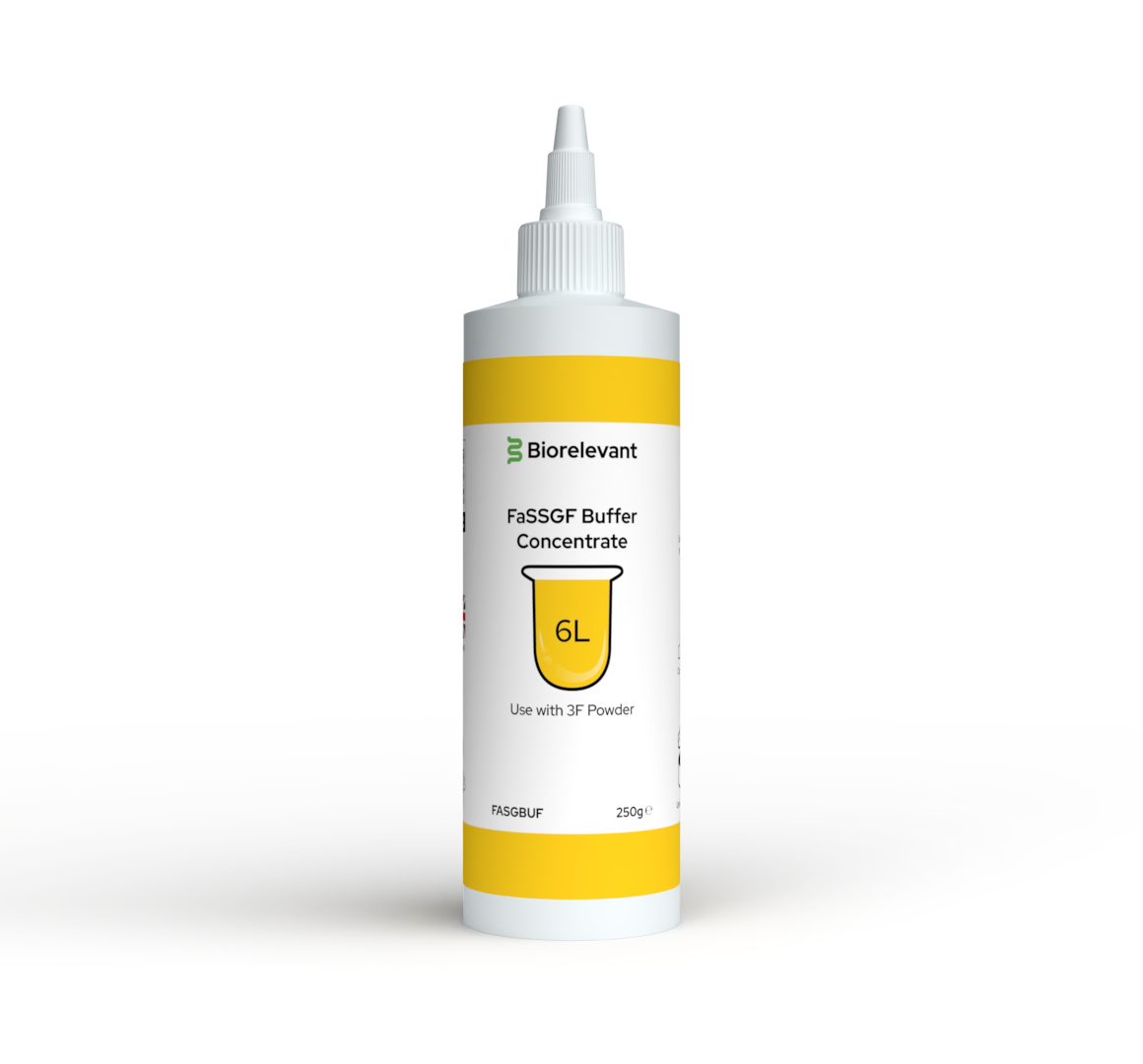
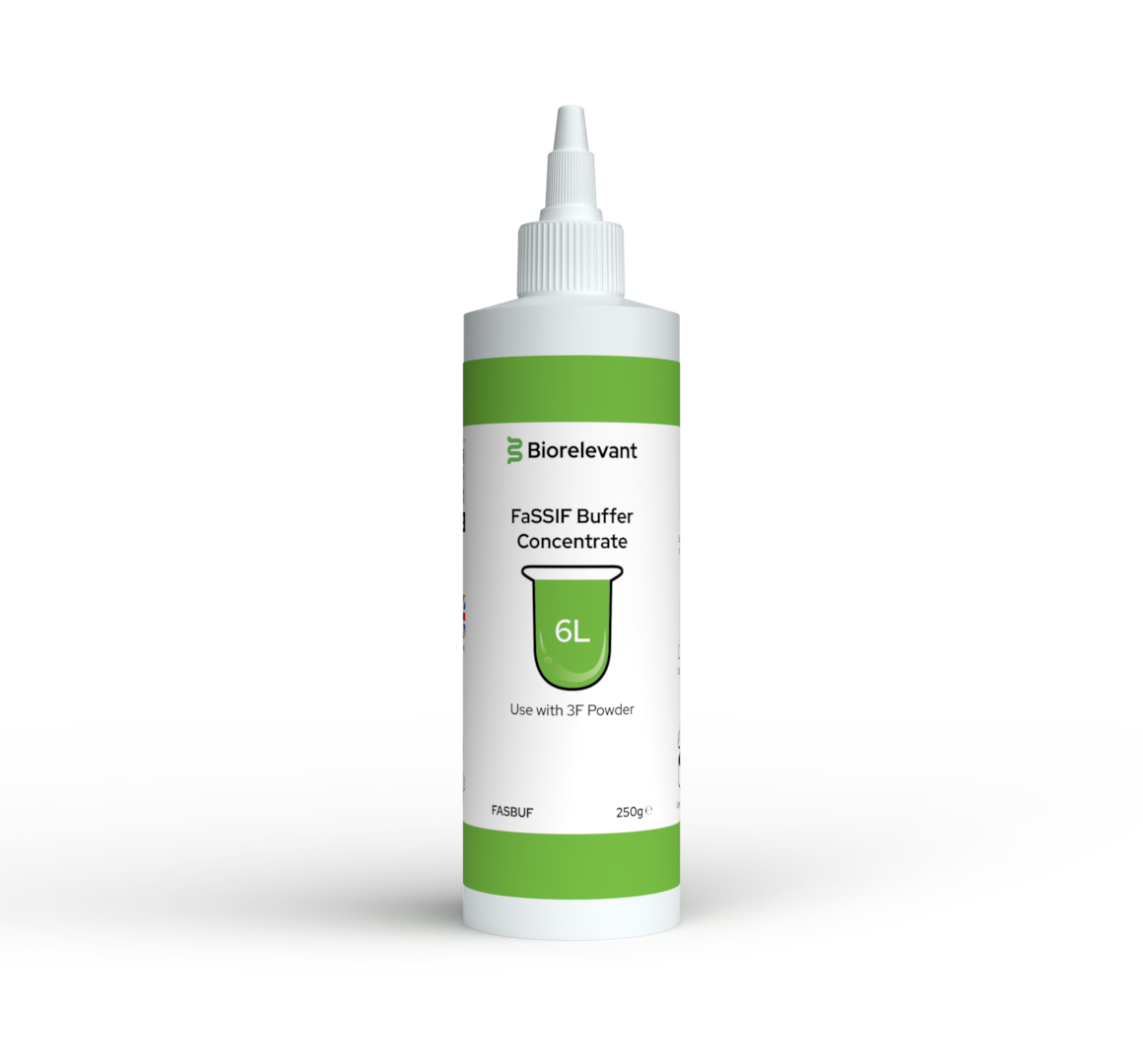
1 x FFF, 1 x FASGBUF, 1 x FASBUF and 2 x GMF13 for 6 dissolution vessels of FaSSGF (900mL) and 6 dissolution vessels of FaSSIF (900mL).
METHOD
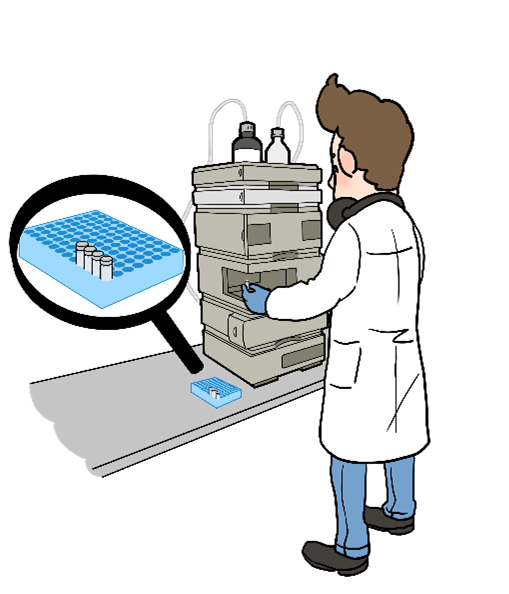
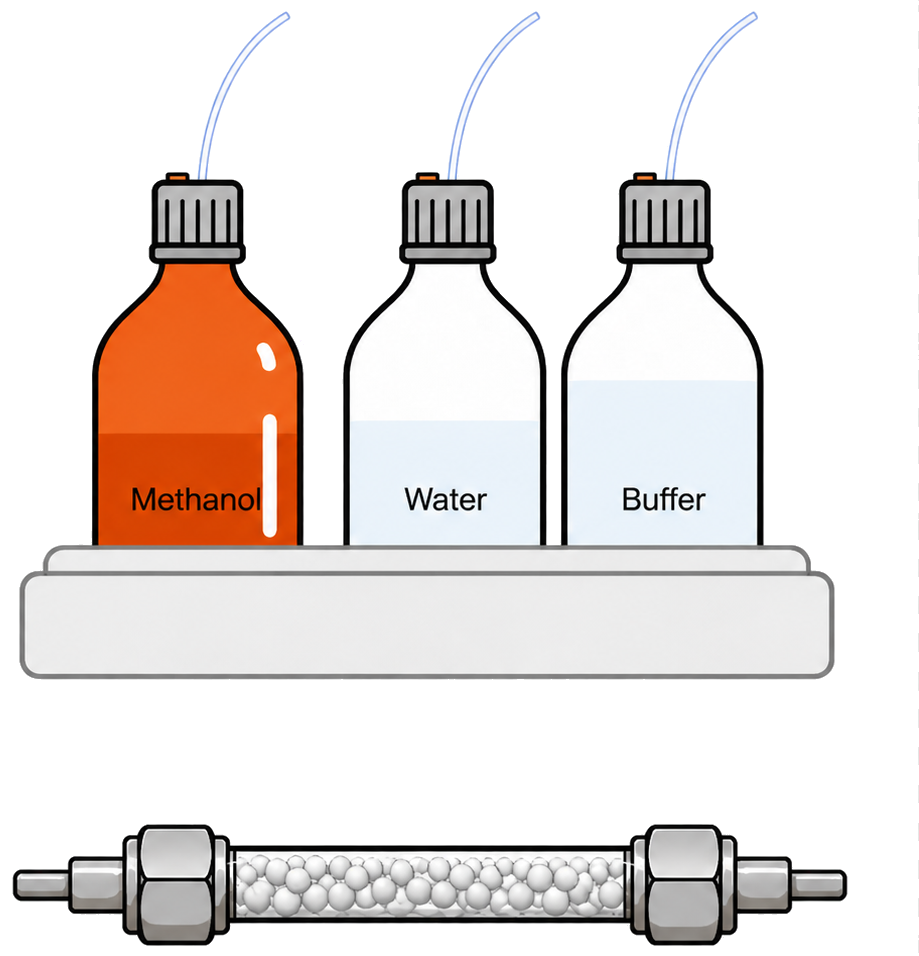
i) Selection of mobile phase, diluent and column
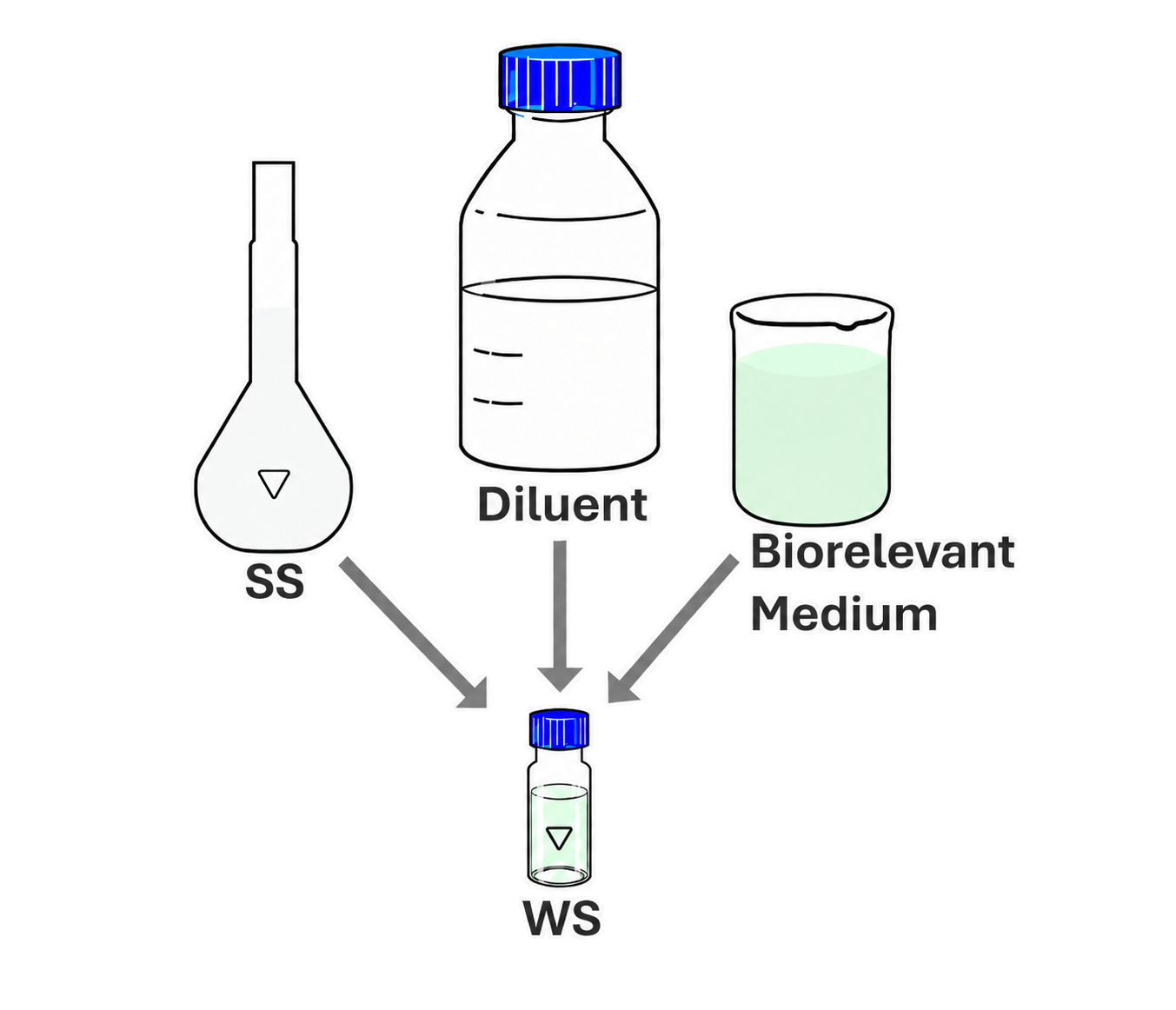
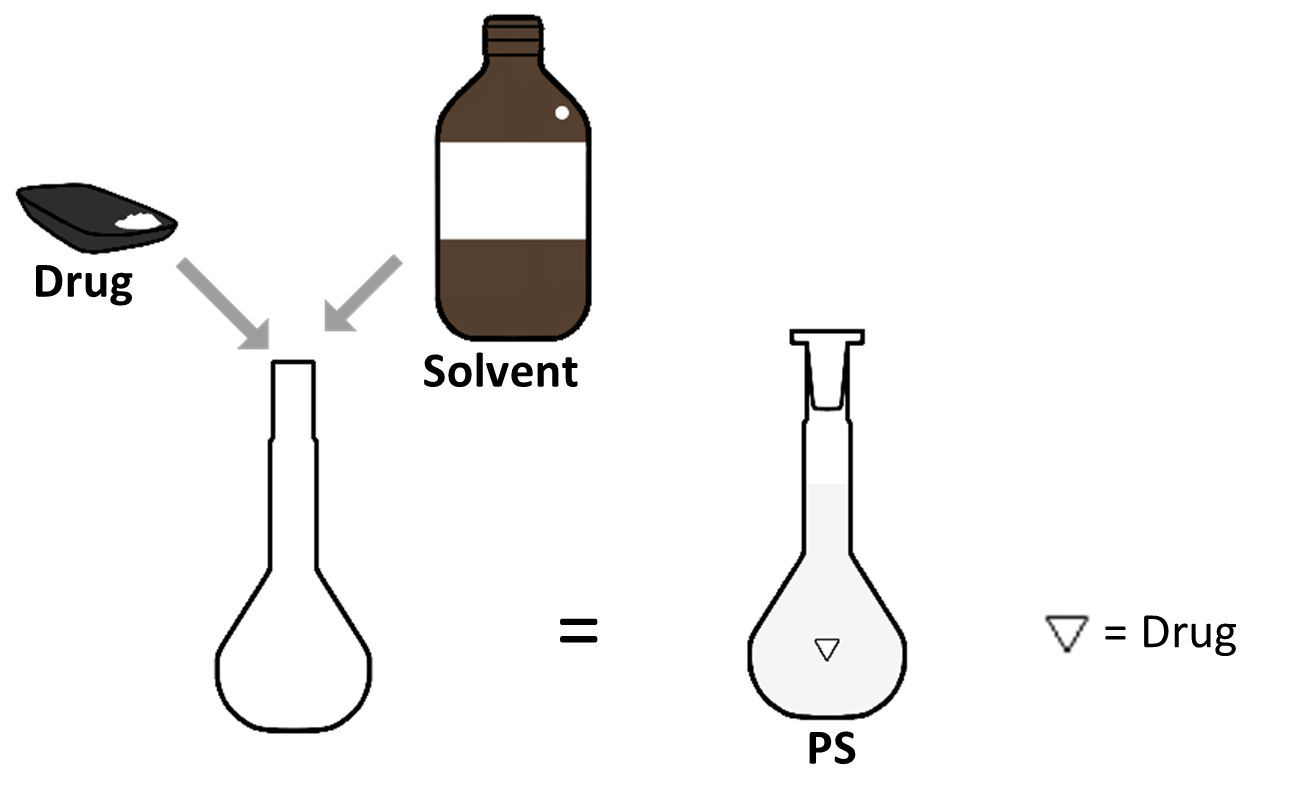
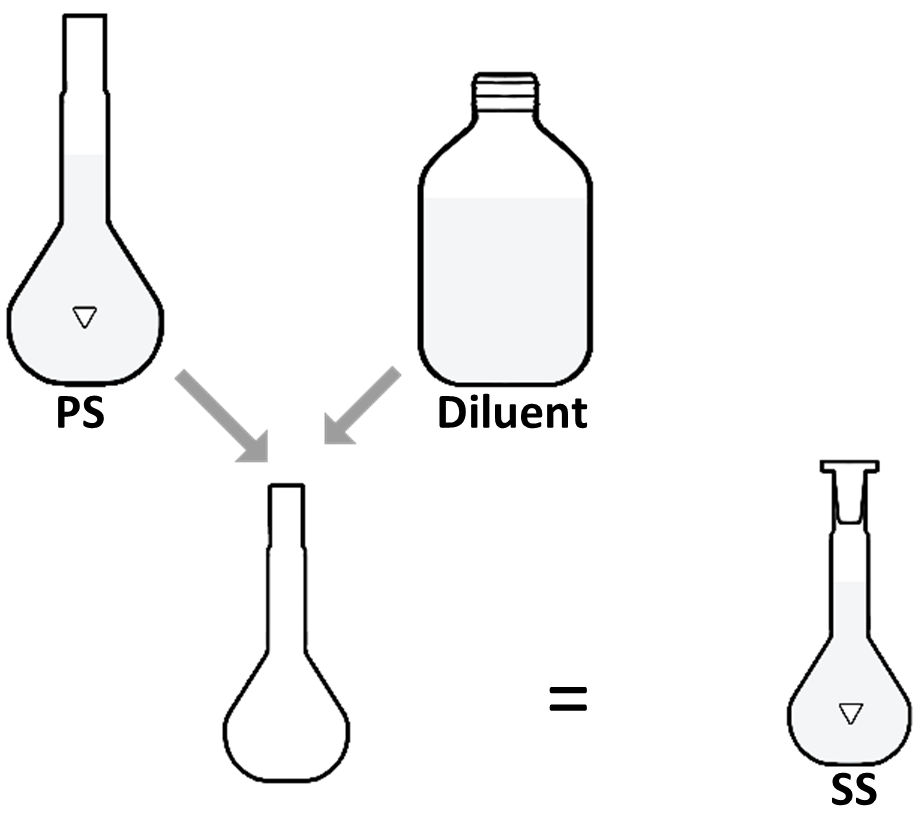
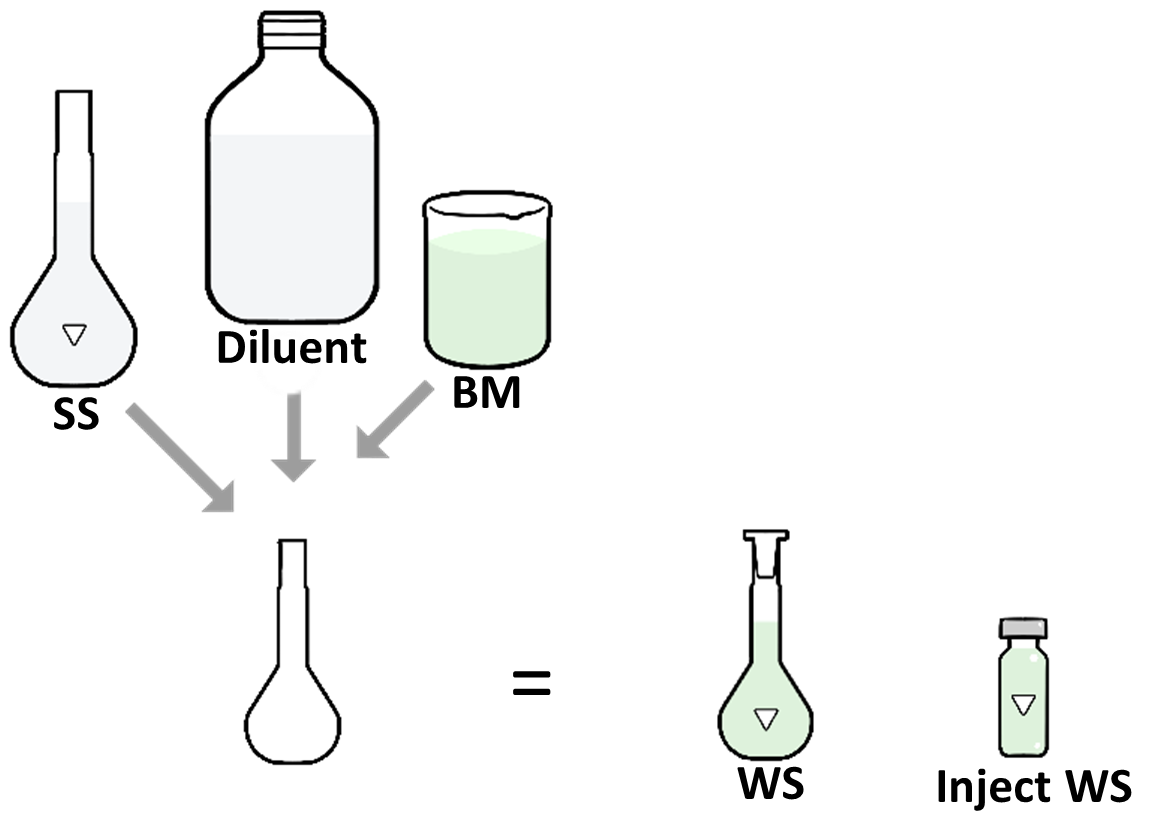
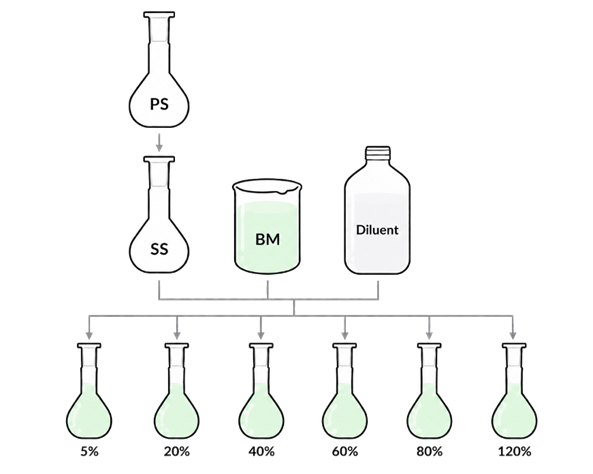
ii) Prepare working standards
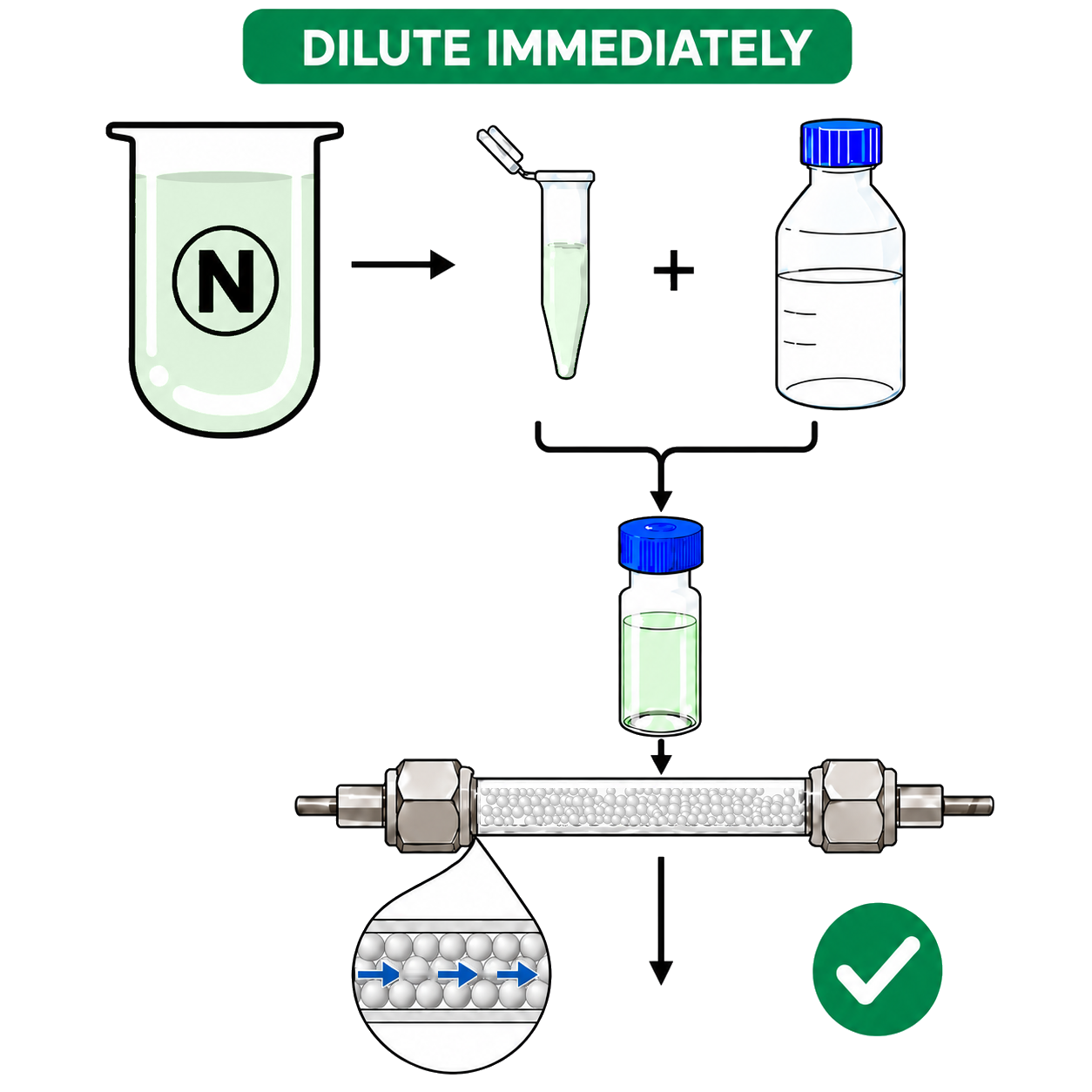
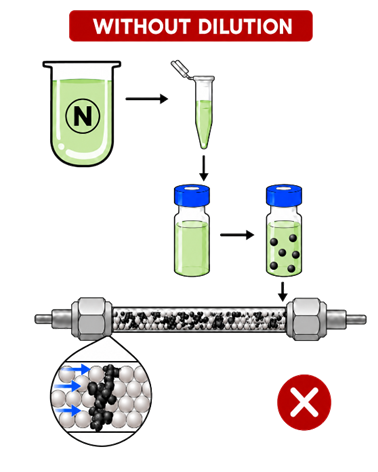
Neutral drug: Why dilution is recommended for fasted state biorelevant media
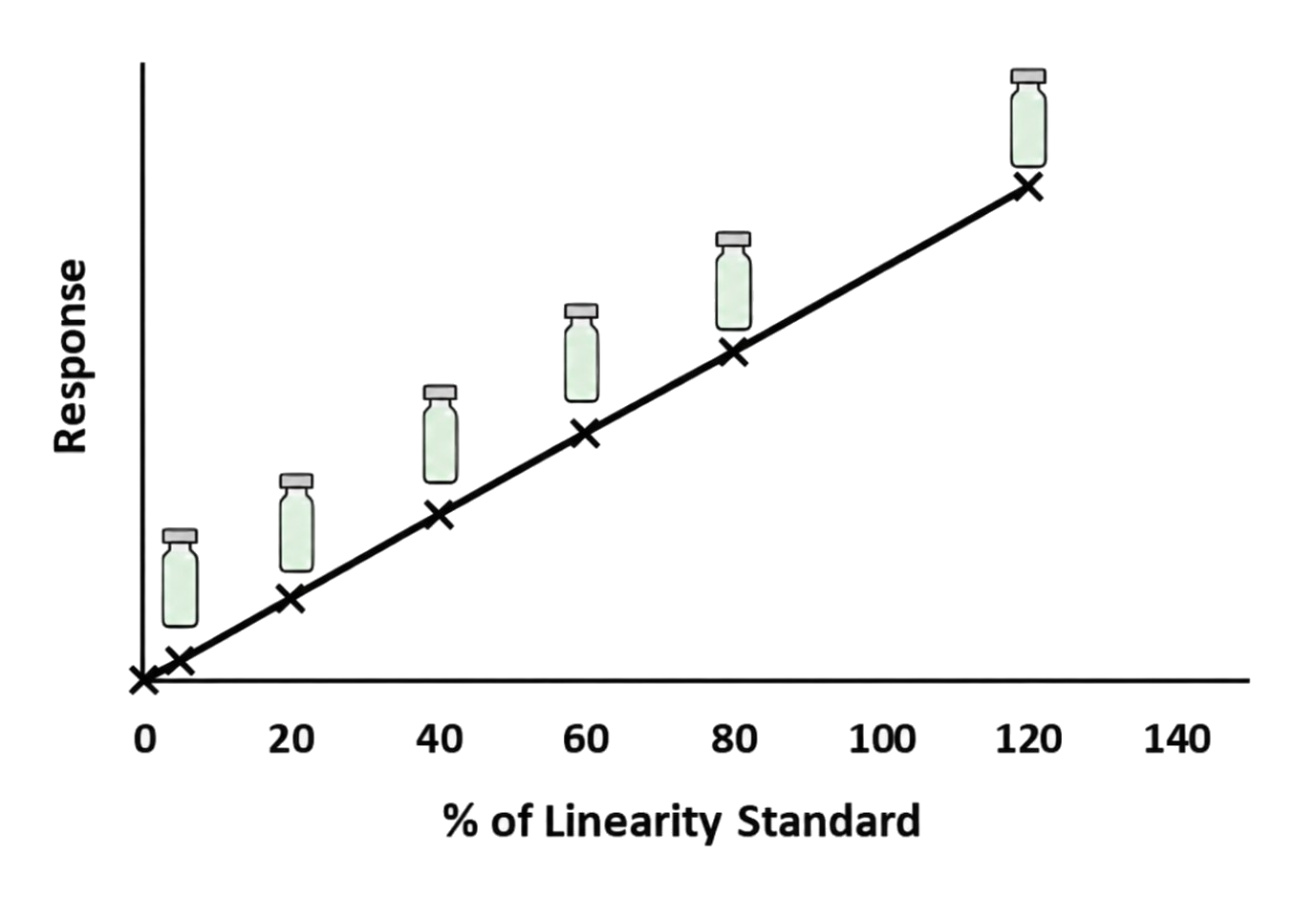
Linearity standards for biorelevant media
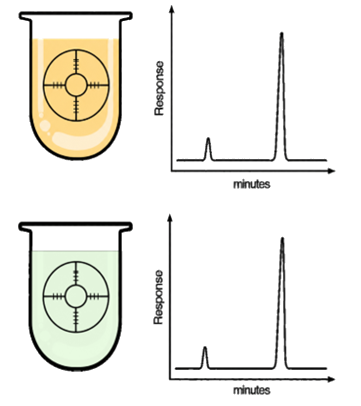
Specificity and precision for biorelevant media
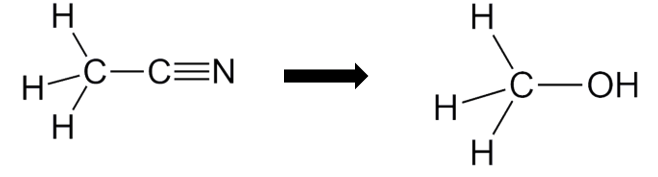
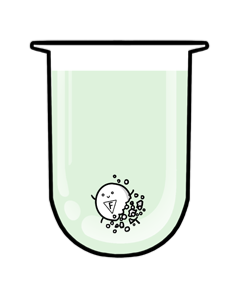





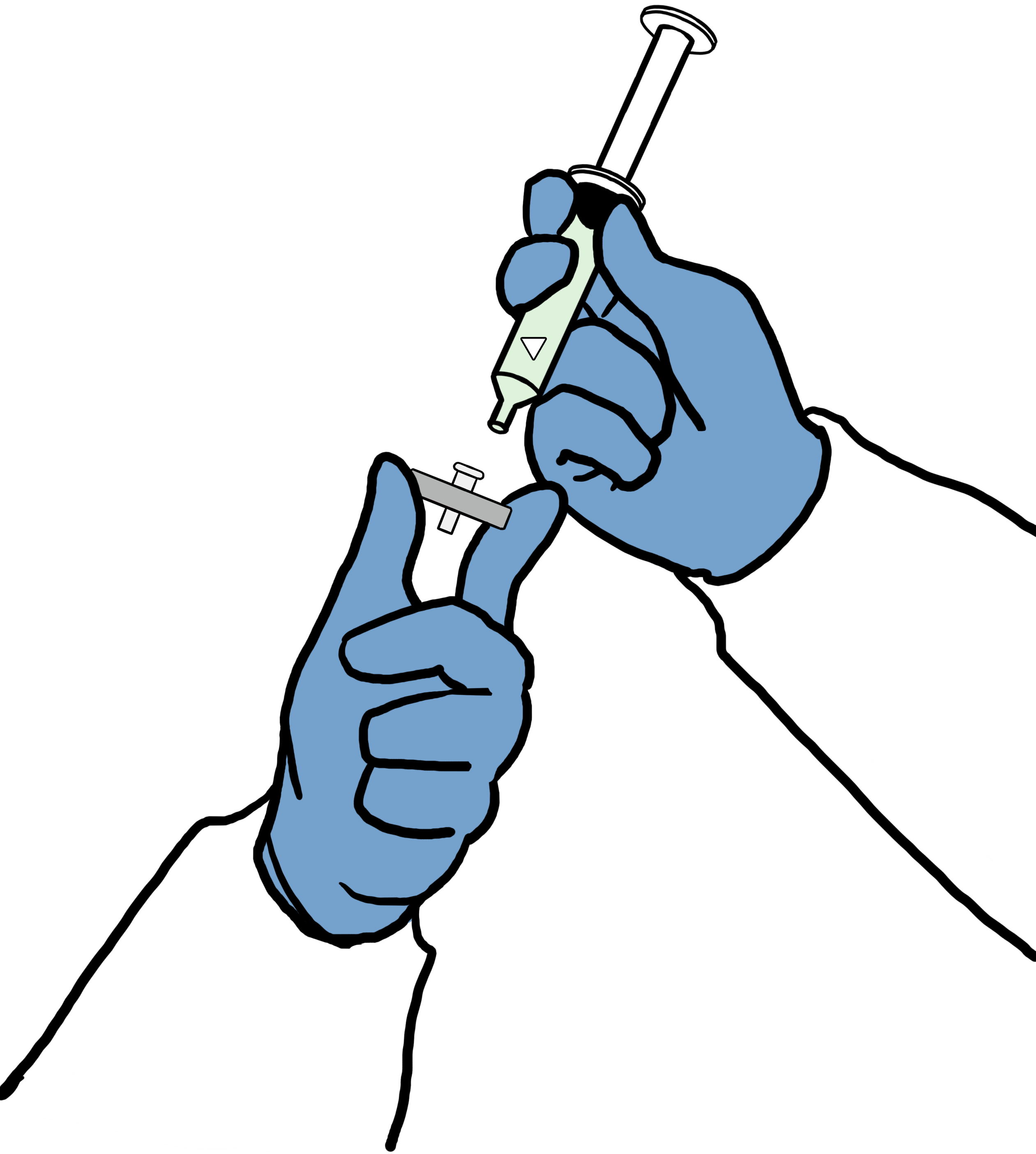
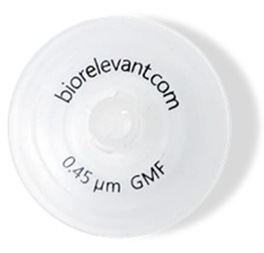
- Biorelevant Dissolutions Filters (GMF13) are recommended with a sampling volume of 5mL
- Filter adsorption establishes pre-saturation volume required for sampling
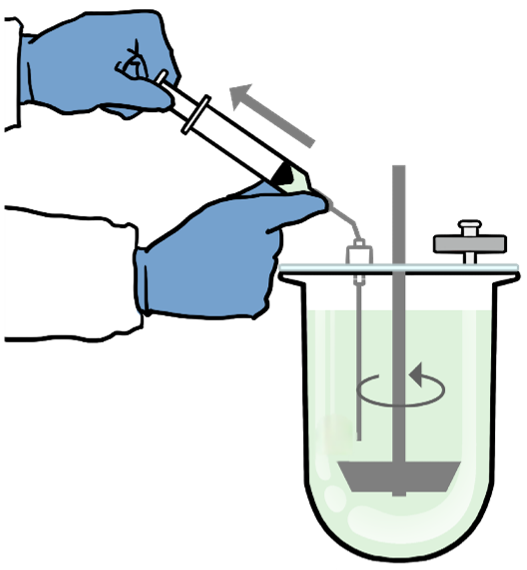
Recommended filter and sampling volume for biorelevant dissolution
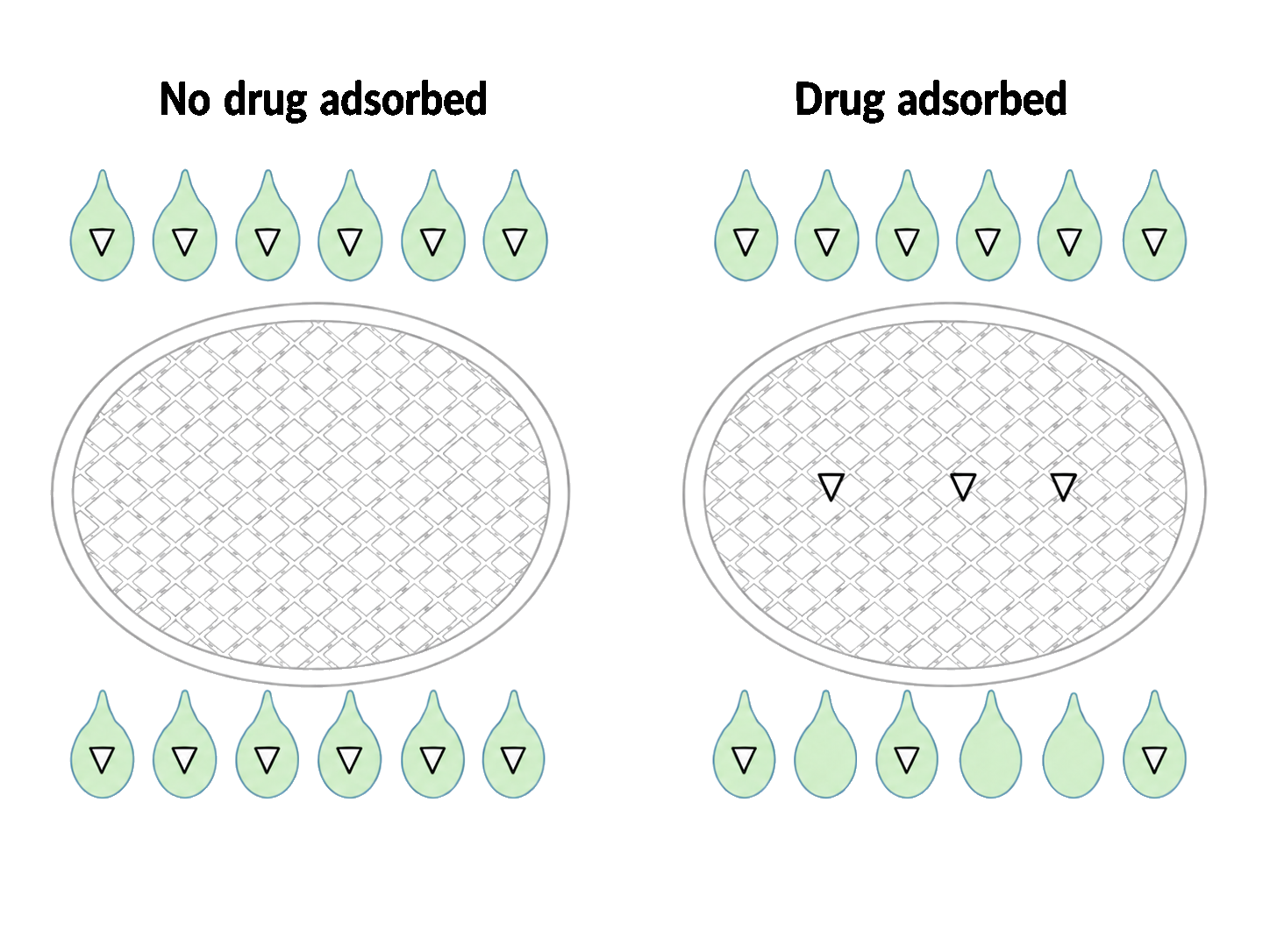
Filter adsorption studies for drugs in biorelevant media
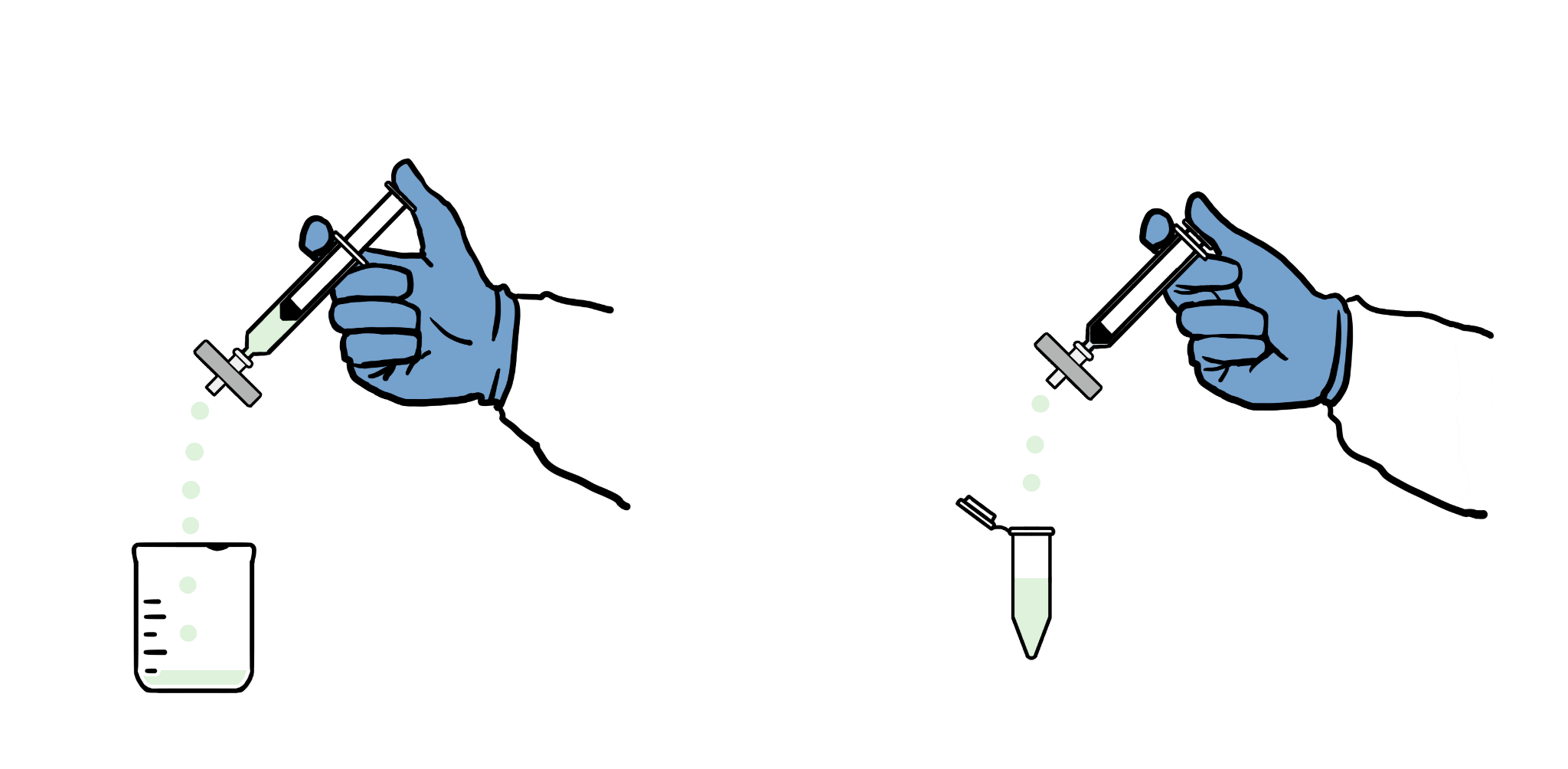
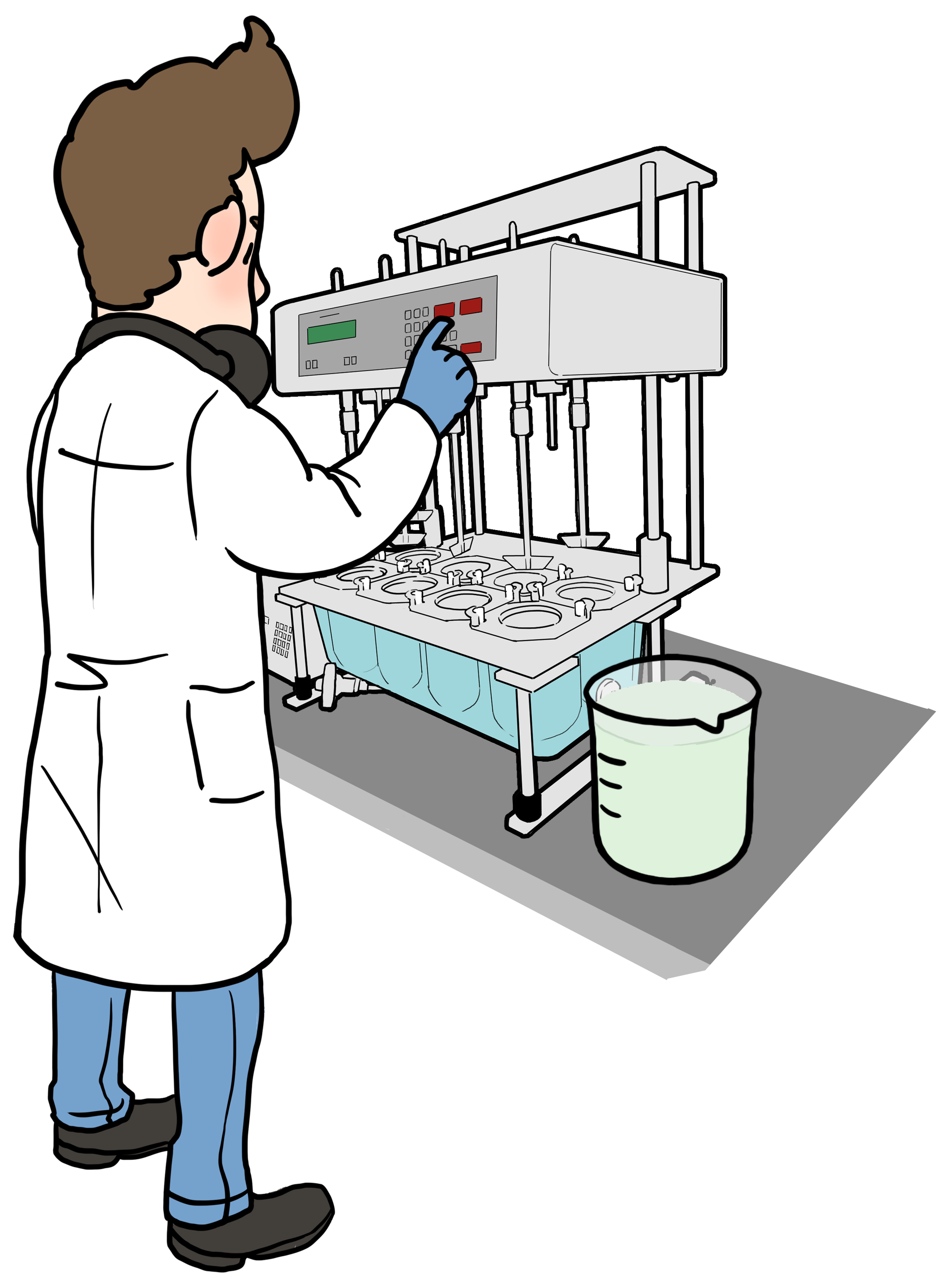
- Perform dissolution testing using the selected biorelevant medium
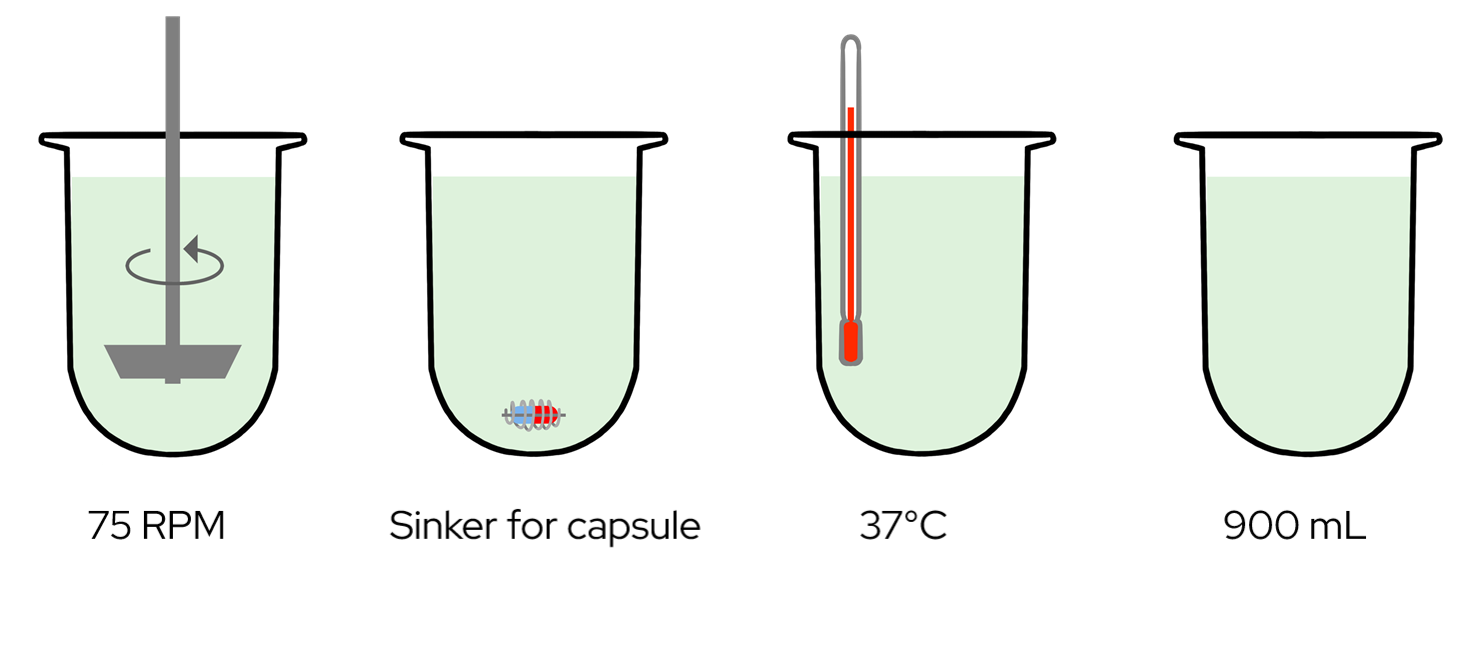
- USP Dissolution Apparatus 2 is recommended, typically operated at a paddle speed of 75 rpm or higher, to ensure homogeneous mixing
- 900mL is typically recommended as the starting test volume
- Compared to QC testing, longer sampling time points are generally recommended
- Use fresh filters to increase accuracy of results by stopping dissolution and preventing carry over from previous sampling
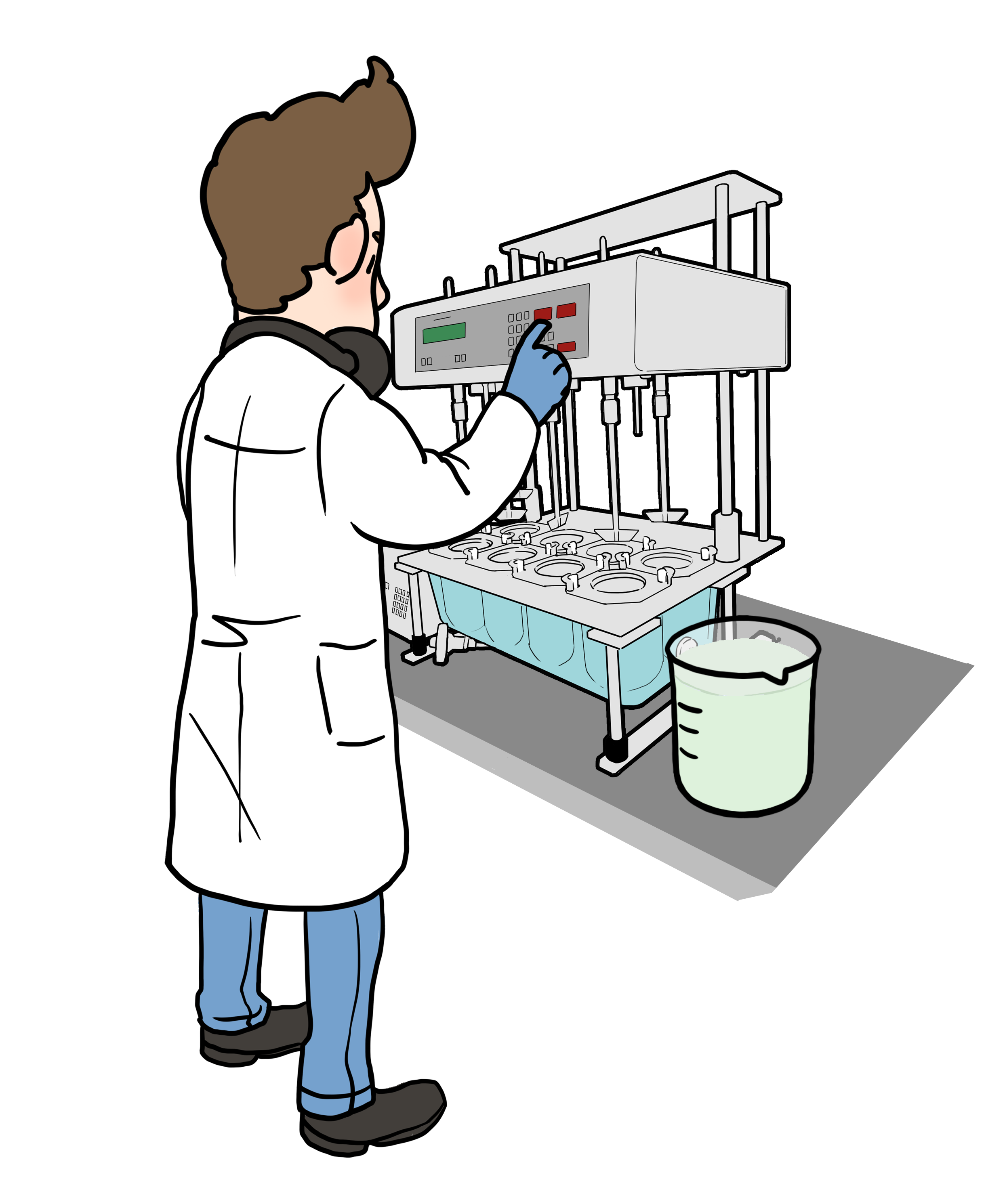
Biorelevant Media dissolution setup
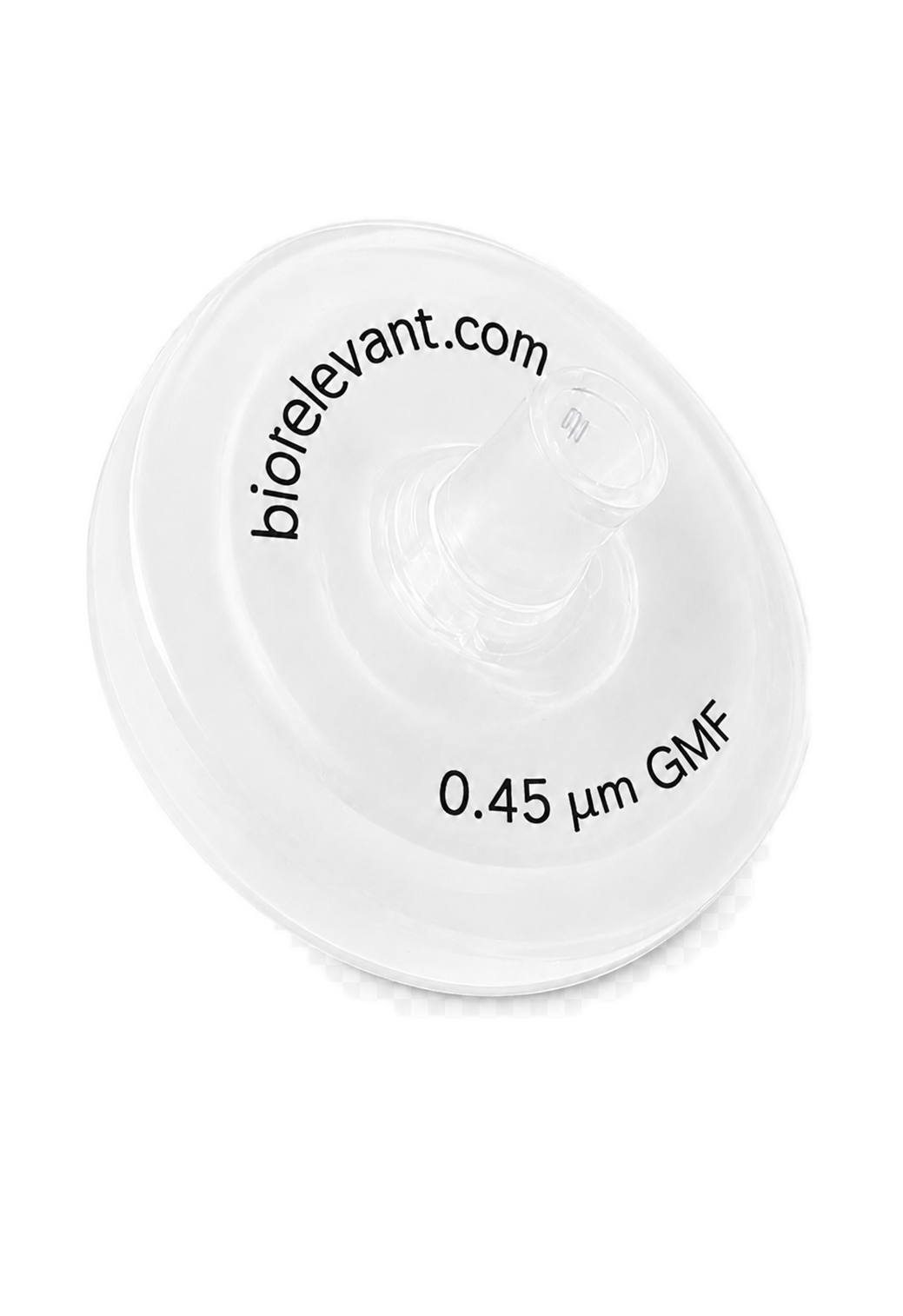
Filter recommendations during Biorelevant Dissolution testing
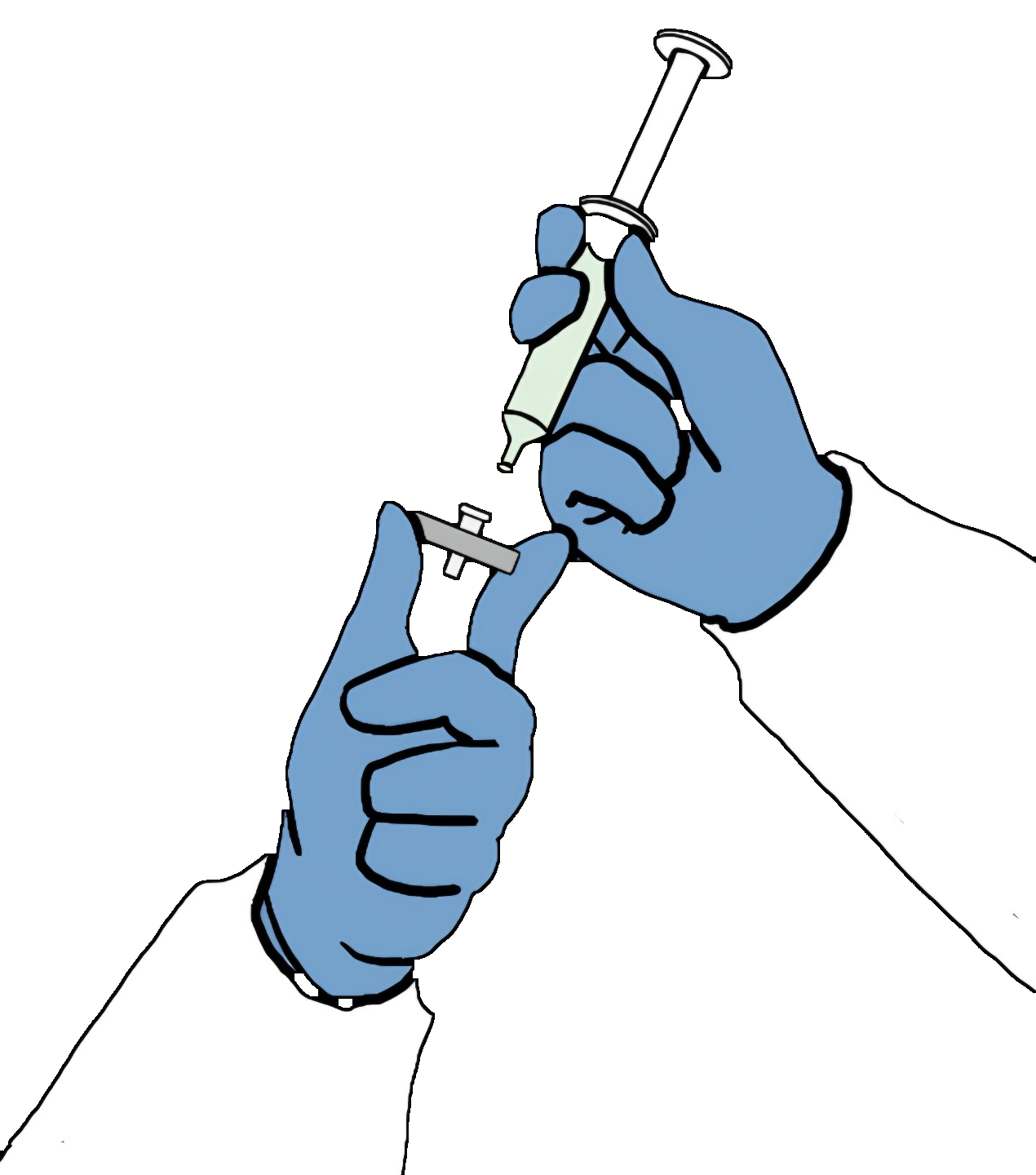
Sampling volume recommendations during Biorelevant Dissolution testing